Photographic Art Gallery
A photographic art gallery represents far more than a collection of images displayed on walls. It embodies a carefully orchestrated visual conversation between the artist’s creative vision and the viewer’s emotional response. Whether you’re an emerging photographer preparing your first exhibition or an enthusiast seeking to understand what elevates photography to fine art, grasping the foundational principles behind gallery-worthy work transforms how you approach both creation and appreciation.
Creating photography for gallery presentation requires understanding multiple interconnected disciplines: the conceptual framework that gives images meaning, the technical mastery that brings vision to life, and the presentation strategies that honor the work. This comprehensive exploration examines the essential elements that distinguish photographic art—from initial artistic intent through composition, lighting, and environmental considerations, to final display decisions that complete the visual statement.
The Foundation: Artistic Intent and Visual Communication
Every powerful photograph begins with clear artistic intention. Before considering technical execution, successful gallery photographers identify what they want to communicate and why it matters. This process involves connecting personal values with visual output—understanding your own perspective shapes authentic work that resonates with viewers rather than merely imitating popular styles.
Transforming an image into a powerful communicative tool requires deliberate choices about every element within the frame. Just as a novelist carefully selects words, photographers structure visual elements to reinforce their narrative. The choice between color or black-and-white, intimate or expansive framing, sharp or soft focus—each decision either supports or undermines your intended message.
Selecting the right medium for your message proves equally critical. A contemplative portrait might demand the tactile presence of a large-scale fiber-based print, while a series exploring urban fragmentation could find its voice through metallic prints that emphasize geometric precision. Avoiding mixed metaphors in imagery ensures visual coherence: when your subject, technique, and presentation align, the communication becomes unmistakable.
Mastering Composition: From Classical Rules to Mathematical Precision
Composition serves as the visual grammar of photography, organizing elements to guide the viewer’s eye and create meaning through spatial relationships. Understanding both traditional frameworks and when to deliberately break them separates competent technical work from compelling artistic statements.
Understanding Foundational Composition
Visual balance forms the cornerstone of effective composition. The rule of thirds—dividing your frame into a 3×3 grid—provides a reliable starting point for dynamic placement of key elements. However, treating the grid as a guide rather than law prevents formulaic imagery. Static placement centered in the frame can convey stability and formality, while dynamic off-center positioning creates tension and movement.
Preventing dead space requires intentional consideration of negative areas. Empty zones within your composition should either provide visual breathing room that enhances your subject or contribute to the narrative—never exist merely as oversight. Sequencing eye movement through strategic placement of visual weights ensures viewers navigate your image in the intended order, experiencing revelations as you’ve orchestrated them.
Advanced Mathematical Approaches
Photographers seeking heightened compositional sophistication often turn to mathematical frameworks refined over centuries. The Phi Grid, based on the golden ratio (approximately 1:1.618), positions key elements at naturally harmonious intersections that feel instinctively balanced to human perception. Similarly, the Fibonacci Spiral creates organic flow by arranging elements along a logarithmic curve found throughout nature—from nautilus shells to galaxy formations.
These approaches work particularly well when comparing organic versus rigid structure in your compositions. A portrait might follow the Fibonacci spiral to create gentle, natural flow, while an architectural study could embrace rigid geometric division to emphasize human-made precision. The critical consideration: avoiding forced composition by ensuring mathematical frameworks serve your vision rather than constraining it. When optimizing crop for print, these proportional systems often reveal the most compelling frame within your captured image.
Exploring Abstract and Deconstructive Photography
Abstract photography liberates the medium from representational obligations, allowing form, color, texture, and line to become the subject rather than merely describing it. This approach invites viewers into active interpretation, making each encounter with the work a unique experience shaped by individual perception.
Breaking Traditional Boundaries
Cubist and deconstructive approaches challenge conventional perspective by fragmenting subjects or presenting multiple viewpoints simultaneously. Understanding the philosophy of deconstruction—questioning assumed relationships between form and meaning—opens creative possibilities impossible within traditional documentary photography. Mastering the collage technique, whether through in-camera multiple exposures or post-production layering, constructs new realities from disparate elements.
Photography without a clear subject demands exceptional intentionality to avoid appearing merely chaotic. The difference between compelling abstraction and confusing imagery lies in purposeful decision-making. When isolating a detail from its context, the fragment must possess sufficient intrinsic interest—compelling texture, dramatic form, or provocative ambiguity—to sustain viewer engagement.
Techniques for Abstraction
Using motion for abstraction transforms recognizable subjects into pure visual energy. Intentional camera movement (ICM) during exposure, capturing moving subjects with slow shutter speeds, or combining both approaches creates painterly effects where color and gesture predominate. When comparing color versus texture focus, consider whether hue relationships or tactile surface qualities better serve your expressive intent.
Preventing visual chaos in abstract work requires sequencing the viewer’s eye through deliberate compositional flow. Even when subject matter dissolves into pure form, strategic placement of visual weights, contrasting elements, and directional lines creates coherent rather than random compositions. Optimizing scale for galleries becomes particularly important with abstract work—some pieces gain power through monumental size, while others require intimate viewing distances to reveal subtle details.
Creating Depth and Dimension in Two-Dimensional Media
The challenge and fascination of photography lies in creating 3D illusion within 2D media. Our eyes perceive the world through binocular vision, atmospheric perspective, and parallax—depth cues that single-lens photography must replicate through technical and compositional strategies.
Using backlighting for separation distinguishes subjects from backgrounds by creating luminous edge definition. This technique proves particularly effective in environmental portraits where you want to relate subject to environment while maintaining clear distinction between foreground and background elements. Enhancing depth with color grading exploits atmospheric perspective—the tendency of distant elements to appear cooler and less saturated than foreground subjects.
Comparing focal lengths for compression reveals powerful creative control over spatial relationships. Wide-angle lenses exaggerate distance between elements, expanding apparent depth, while telephoto lenses compress space, stacking visual planes. Neither approach is inherently superior; the choice depends on whether you want to emphasize expansive depth or intimate compression. Preventing flat lighting that undermines dimensional illusion requires creating tonal gradation across your subject rather than uniform illumination.
Sequencing plans in composition—establishing distinct foreground, middle ground, and background—provides multiple entry points for the viewer’s eye while creating measurable depth. This layered approach works equally well in landscapes, still lifes, and environmental portraits, transforming potentially flat representations into convincing three-dimensional spaces.
Lighting as a Creative Tool
Light defines photography—literally « writing with light »—yet many practitioners treat illumination as merely a technical requirement rather than their primary expressive tool. Mastering lighting transforms competent documentation into emotionally resonant art.
Understanding Lighting Styles and Mood
The quality, direction, and color of light establish emotional atmosphere before subject matter even registers. Soft, diffused illumination creates gentle, approachable moods, while hard, directional light introduces drama and tension. Lighting the background independently from your subject provides dimensional separation and contextual information—a dark background isolates and emphasizes, while an illuminated environment provides narrative setting.
Preserving skin definition in portrait work requires balancing adequate modeling (tonal variation that reveals form) with flattering softness. Comparing mood impacts between lighting setups reveals how subtle adjustments dramatically alter emotional reading. Window light from 45 degrees suggests introspection, while broad frontal illumination conveys openness and accessibility.
Low-Key and Chiaroscuro Techniques
Low-key lighting—characterized by predominantly dark tones with selective highlights—creates mystery, sophistication, and focused attention. Calibrating for the blacks ensures shadow areas retain subtle detail rather than blocking up into featureless voids. Using negative fill (placing dark absorptive surfaces near your subject) deepens shadows by preventing ambient light reflection, increasing tonal drama.
When comparing black versus grey backgrounds for low-key work, consider whether complete darkness serves your subject or whether subtle tonal variation provides beneficial context. Avoiding digital noise in deep shadows requires exposing adequately for shadow areas, then controlling brightness through lighting ratios rather than underexposure. Optimizing paper choice for low-key prints means selecting surfaces with extended tonal range—typically matte or luster finishes that render deep blacks without losing shadow detail.
Harnessing Environmental Conditions
Atmospheric conditions offer powerful creative opportunities often overlooked in the pursuit of « perfect » clear light. Using environmental conditions for depth and mood introduces authentic atmosphere impossible to replicate artificially.
Understanding the physics of scattering—how water droplets and particulate matter diffuse light—helps photographers anticipate and exploit fog, mist, and haze. These conditions naturally enhance depth perception by progressively obscuring distant elements, creating distinct spatial layers. Enhancing mood through weather capitalizes on the emotional associations viewers bring to different conditions: fog suggests mystery or isolation, while dramatic storm light conveys tension and transformation.
Comparing natural versus artificial haze reveals when atmospheric conditions serve your vision versus when post-production simulation provides better control. Natural conditions offer authentic light interaction and unpredictable beauty; controlled simulation ensures consistency across a series. Preventing contrast loss during atmospheric shooting requires either accepting softened tonality as part of the aesthetic or using longer focal lengths to minimize atmospheric thickness between camera and subject. Sequencing the shoot for light changes during transitional weather—the clearing after storms, fog formation at temperature shifts—rewards prepared photographers with unique conditions.
Structuring a Cohesive Body of Work
Gallery presentations typically showcase series rather than isolated images, making the ability to structure a body of work essential for exhibition success. Cohesion doesn’t require repetitive similarity; rather, it demands underlying unity that makes individual pieces part of a larger conversation.
Selecting anchor images—the strongest pieces that establish your series’ visual and conceptual framework—provides the foundation around which supporting work orbits. These anchors typically open exhibitions, set expectations, and serve as reference points for understanding more experimental pieces in the collection.
Sequencing the viewer journey through deliberate image ordering creates narrative flow or thematic development. Consider whether your series benefits from chronological presentation, tonal progression from light to dark, conceptual movement from concrete to abstract, or spatial journey through a location. When comparing thematic versus aesthetic unity, recognize that the most powerful series often combine both—related subject matter presented through consistent visual language.
Preventing repetitive boredom requires variation within unity. If every image in your series uses identical composition, lighting, and treatment, viewers disengage. Introduce controlled variety—alternating scales, perspectives, or tonal ranges—while maintaining recognizable through-lines. Optimizing the artist statement connection ensures your written context supports rather than contradicts visual evidence, explaining intention without dictating interpretation.
Presentation and Display Considerations
The transition from digital file or negative to physical gallery presence profoundly impacts how viewers experience photographic art. Print presentation decisions complete your creative statement, either amplifying or undermining the work’s impact.
Navigating the trends and standards of modern photographic prints requires understanding the shift in popular formats. Recent years have seen movement toward larger scales, alternative surfaces (metal, acrylic, fabric), and minimalist framing that emphasizes the image itself. However, distinguishing trends from fads prevents chasing temporary popularity at the expense of timeless presentation that serves your specific work.
Selecting the right mounting for modern aesthetics involves considering how physical presentation affects perception. Float mounting creates elegant separation between image and wall, while flush mounting offers contemporary minimalism. Each approach suits different work—dramatic landscapes often benefit from substantial presence, while intimate portraits might demand quieter presentation.
Avoiding clashes with existing decor matters more for private collectors than gallery exhibitions, but understanding how your work interacts with viewing environments ensures it can thrive in various contexts. Planning a rotating collection for long-term display prevents viewer fatigue while protecting light-sensitive prints. The choice of paper—from traditional fiber-based silver gelatin to contemporary inkjet media—affects tonal range, longevity, surface texture, and the physical presence of the finished piece, making it among your final critical creative decisions.
Creating photography worthy of gallery presentation integrates technical mastery with artistic vision, supported by thoughtful presentation that honors both the work and the viewer. Each element—from initial concept through composition, lighting, and final display—contributes to the complete experience. As you develop your practice, remember that rules and frameworks serve as foundations for informed creative decisions, not restrictions on artistic expression. The most compelling photographic art emerges when technical understanding liberates rather than limits vision, allowing authentic personal perspective to find powerful visual form.

How to Use Deep Shadows to Add Mystery and Weight to Your Work?
The soul of an image is not found in what is lit, but in what is deliberately concealed; mastering deep shadow is an act of artistic subtraction, not addition. True…
Lire la suite
How to Master the High-Key Aesthetic for Fine Art Portraits?
The secret to a professional high-key portrait isn’t eliminating shadows—it’s precisely controlling them. A pure white background requires a specific light ratio, not just maximum power, to avoid muddy tones….
Lire la suite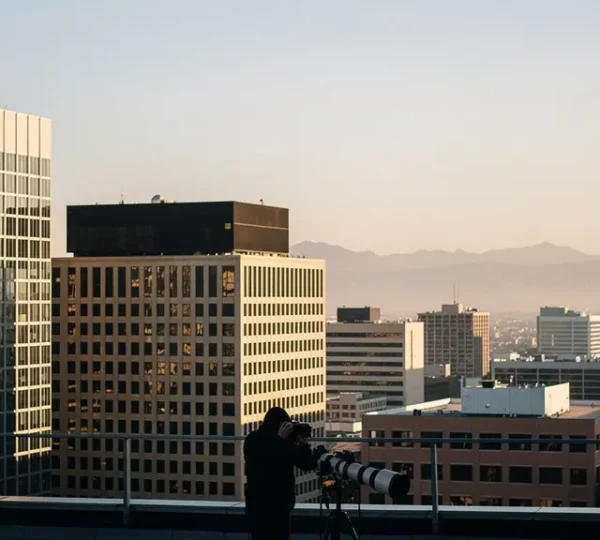
How to Compress Perspective to Make Distant Backgrounds Loom Large?
Perspective compression is the visual director’s most potent tool for rewriting spatial reality and dictating emotional tone. It’s not the lens itself, but the increased distance from your subject that…
Lire la suite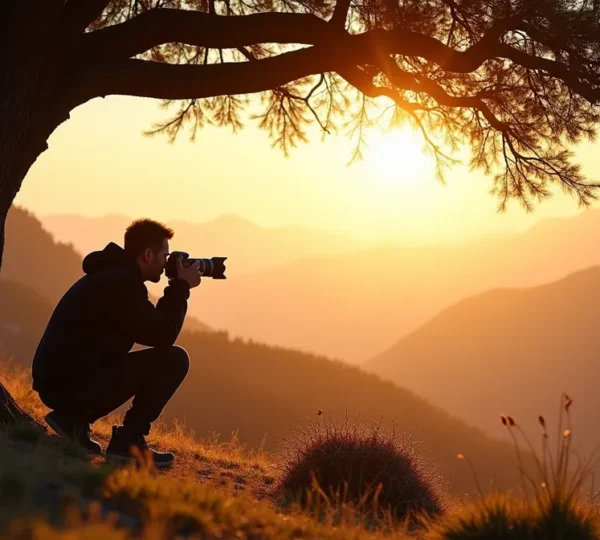
How to Apply the Golden Ratio to Nature Photography for Subconscious Appeal?
The Golden Ratio isn’t a complex rule to be followed, but a principle of natural harmony to be understood, creating images that resonate on a subconscious level. It moves beyond…
Lire la suite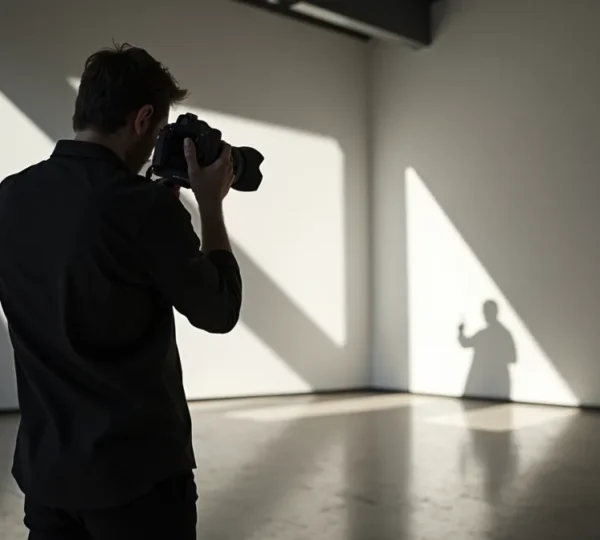
Breaking the Rule of Thirds: Your Guide to Visual Tension and Narrative Weight
Breaking the rule of thirds isn’t about creating chaos; it’s about mastering the visual psychology that controls a viewer’s emotional response. Effective rule-breaking, like Wes Anderson’s centering, is part of…
Lire la suite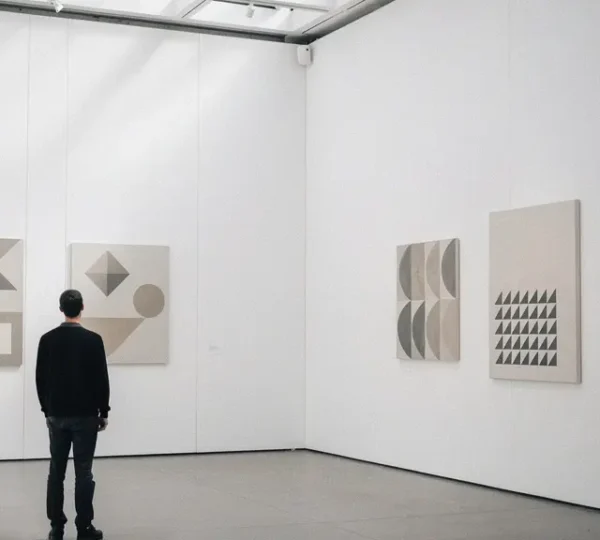
How to Develop a Strong Curatorial Thesis for Your Exhibition?
A compelling exhibition is a rigorous visual argument, not a casual collection of an artist’s best work. The core of a powerful show is its ‘visual thesis’—a central, unifying idea…
Lire la suite
How to Create Volumetric Depth Using Light and Atmosphere?
The key to creating three-dimensional depth is to stop thinking about composition and start thinking like a sculptor, using light and atmosphere to physically carve out space in your frame….
Lire la suite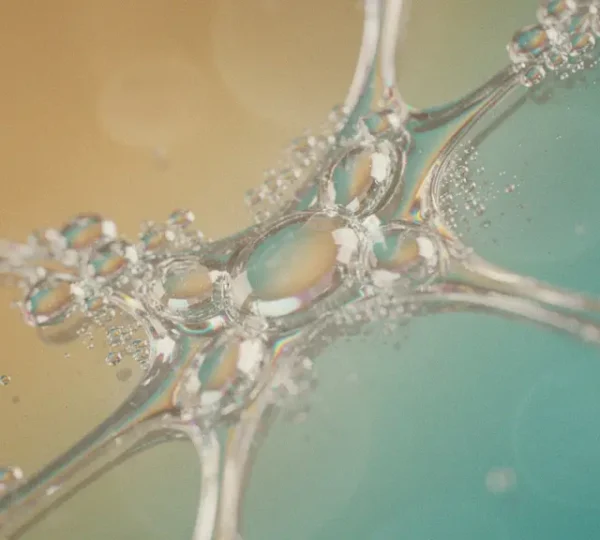
How to Capture Abstract Scenes Found in Everyday Environments?
Many photographers believe compelling abstract images require exotic subjects. The truth is the opposite: the most powerful abstract art is found by deconstructing the familiar world around you. This guide…
Lire la suite
How to Create Fragmented Visuals That Challenge Traditional Perspectives?
Fragmented photography is not a collage trend; it’s a rebellion against the single, static viewpoint. Deconstructing a subject reveals a multi-faceted truth that a « perfect » single shot conceals. True mastery…
Lire la suite
How to Use Atmospheric Haze to Create Unforgettable Depth in Landscape Photography
The secret to turning flat landscape photos into deep, atmospheric masterpieces isn’t just finding haze, but understanding how to sculpt it with light and technique. Backlighting is the most critical…
Lire la suite