Buying & Collecting
Collecting fine art photography represents a unique intersection of aesthetic appreciation and tangible investment. Unlike purely financial assets, photography offers collectors the dual satisfaction of surrounding themselves with meaningful visual culture while potentially building financial value over time. Yet the photography market operates with its own specialized vocabulary, valuation metrics, and preservation requirements that can initially seem opaque to newcomers.
This comprehensive resource demystifies the essential knowledge areas every photography collector should master—from understanding how edition sizes influence pricing to ensuring your acquisitions retain their physical integrity for decades. Whether you’re acquiring your first print or refining an established collection, these foundational principles will help you make informed decisions that align with both your aesthetic vision and financial objectives.
Understanding Photography as an Investment Asset
Photography occupies a distinctive position in the art market, offering tangible financial characteristics that differ meaningfully from stocks, bonds, or real estate. The physical nature of photographic prints means your investment literally hangs on your wall, providing daily enjoyment while potentially appreciating in value.
Historical price appreciation data reveals patterns worth understanding. Established photographers with museum representation and critical recognition have demonstrated consistent value growth, particularly for prints from limited editions or those with significant exhibition history. A print acquired from an emerging artist for several hundred dollars may appreciate to several thousand as their career develops and institutional recognition grows. Conversely, prints from photographers whose work falls out of critical favor can stagnate or decline in value.
The key differentiator is that photography’s investment potential depends heavily on physical integrity and proper handling. A crease, fade, or moisture damage can instantly diminish value by fifty percent or more—a vulnerability not shared by digital securities. This makes the collector’s role in preservation actively critical to maintaining financial value, not merely passive ownership.
Mastering Pricing and Valuation Fundamentals
The mechanics of pricing fine art photography follow specific market conventions that differ substantially from other art forms. Understanding these principles prevents overpaying and helps identify genuine value opportunities.
Edition Size and Scarcity Dynamics
Edition size represents the total number of prints the artist commits to producing from a single negative or digital file. Standard edition sizes typically range from three to one hundred prints, with smaller editions commanding higher individual prices. A print numbered 5/10 (five of ten) will typically cost significantly more than one numbered 45/100, even when physically identical, because scarcity drives collector demand.
Researching Comparable Sales
Auction records provide the most transparent pricing data available. Major auction houses publish results that allow you to track what similar works by the same artist actually sold for—not asking prices, but realized hammer prices. When evaluating a potential purchase, research at least three to five comparable sales considering:
- Print date and condition
- Edition number within the total run
- Print size and presentation format
- Auction house prestige and buyer competition level
Artist Pedigree and Career Trajectory
An artist’s institutional recognition, publication history, and representation significantly influence pricing. Photographers with works held in major museum collections, monographs published by respected presses, and representation by established galleries command premium pricing because these credentials suggest enduring critical relevance. When comparing emerging versus established names, remember that emerging artists offer greater upside potential but carry substantially higher risk that their work may not appreciate.
Recognizing Pricing Red Flags
Certain warning signs suggest inflated pricing or problematic sales conditions. Be cautious when prices significantly exceed recent auction comparables without clear justification, when sellers pressure immediate decisions without allowing research time, or when provenance documentation seems incomplete or vague. Trust your instinct if something feels misaligned with market norms.
Physical Integrity and Technical Specifications
The physical characteristics of photographic prints directly impact both aesthetic presentation and long-term value retention. Verification should occur before finalizing any significant purchase.
For large-scale photographic works—prints exceeding four feet in any dimension—logistical considerations become substantial. These pieces require careful assessment of viewing distance requirements in your intended display space. A six-foot print designed for museum gallery viewing may overwhelm a residential room with inadequate viewing distance. Additionally, large works often utilize rigid substrates like Dibond or acrylic face-mounting rather than traditional paper, requiring specialized installation hardware and professional handling to prevent damage.
Budgeting for large-scale production should account not just for the print price but for shipping (often requiring custom crating), insurance during transit, and professional installation. A $5,000 print might incur an additional $800-1,200 in these ancillary costs. Timing matters too—if you’re acquiring work for a specific exhibition or event, allow minimum three to four weeks for production and shipping to prevent rushed decisions that increase error risk.
Before accepting delivery, verify the physical integrity through careful inspection:
- Examine the print surface under angled light to reveal any scratches, fingerprints, or surface irregularities
- Check the print edges and corners for dings, creases, or separation from mounting substrates
- Verify that any artist signature, edition number, and authentication marks are clearly present and correctly positioned
- Confirm that protective glazing (if included) is free from scratches and properly sealed
Preservation and Archival Considerations
Longevity depends entirely on materials quality and environmental conditions. Photography collectors must understand archival principles to protect their investment over decades.
Material Standards and Testing
Truly archival materials must meet specific chemical stability criteria. Acid-free paper prevents the yellowing and brittleness that destroys non-archival prints within years. Reputable photographers provide technical specifications documenting paper pH levels, ink permanence ratings, and substrate composition. When acquiring valuable works, request this documentation and verify the materials against industry standards established by organizations like the Image Permanence Institute.
Ink stability varies dramatically between technologies. Pigment-based inkjet prints generally offer superior fade resistance compared to dye-based inks, with properly displayed pigment prints maintaining color fidelity for seventy-five to two hundred years under museum conditions. Carbon-based processes like platinum-palladium printing offer exceptional permanence exceeding any digital process. Understanding which process created your print informs appropriate display and storage decisions.
Environmental Protection Strategies
Even archival materials degrade under harmful conditions. The primary threats include:
- Ultraviolet radiation: Direct sunlight and certain artificial lighting cause irreversible fading. Use UV-filtering glazing and position works away from windows.
- Humidity fluctuations: Levels above sixty percent promote mold growth; below thirty percent causes embrittlement. Maintain stable conditions between forty and fifty percent relative humidity.
- Temperature extremes: Elevated temperatures accelerate chemical degradation. Keep display and storage areas between 65-70°F.
- Airborne contaminants: Pollutants, cooking vapors, and tobacco smoke deposit on print surfaces, causing discoloration over time.
Digital Obsolescence Planning
For digitally-originated photography, consider the archival status of the source files. If you’re acquiring work where the digital master file adds significant value—limited editions where the artist might create future prints—discuss file preservation with the artist or gallery. Digital storage media degrade, file formats become obsolete, and color management profiles change. Serious collectors sometimes negotiate for backup files or contractual provisions addressing how digital masters will be maintained.
Strategic Acquisition in the Marketplace
Where and how you acquire photography significantly influences both price and authenticity confidence. Different venues offer distinct advantages and require specific vetting approaches.
Art fairs provide concentrated access to multiple galleries and artists in one location, creating efficient comparison shopping. However, the energetic atmosphere can encourage impulse purchases that you later regret. Before attending, research participating exhibitors, identify specific artists or galleries you want to visit, and establish a firm budget ceiling. At the booth, verify that any edition information displayed matches what’s printed on the actual work, and don’t hesitate to negotiate pricing—many dealers expect some negotiation, particularly for multiple purchases or at fair closing hours.
Shipping logistics from fairs deserve careful attention. Dealers often offer to ship purchases to your home, which avoids travel complications but requires verifying their packing quality and insurance coverage. Alternatively, some collectors prefer carrying smaller works personally to maintain complete control, accepting the travel inconvenience for peace of mind.
Online marketplaces have expanded dramatically, offering access to works worldwide but requiring heightened diligence. Request detailed condition reports with high-resolution images showing any flaws. Clarify return policies explicitly before purchasing, and verify that shipping insurance covers the full purchase price with reputable carriers experienced in art handling.
Building a Cohesive Collection
Thoughtful collectors develop acquisitions around coherent themes rather than accumulating random individual prints. This approach creates visual and intellectual harmony while often enhancing collective value.
Current market trends show increasing acceptance of mixed media works that incorporate photography alongside drawing, painting, or sculptural elements. The traditional boundaries separating photographic from other artistic practices have become more fluid, with many prominent photographers experimenting across media. Collectors should feel confident embracing these hybrid works if they genuinely resonate, rather than restricting themselves to « pure » photography based on outdated categorical thinking.
The digital versus analog question continues evolving. While some collectors maintain strict preferences for traditional darkroom processes, the contemporary photography market has fully embraced digital capture and printing. What matters more than the origination technology is the artistic vision and technical excellence of the final print. A collection can successfully incorporate both approaches if united by thematic interests—perhaps street photography spanning analog masters like Garry Winogrand through contemporary digital practitioners.
Avoiding derivative work requires developing visual literacy about photographic history. Understanding iconic images and influential styles helps you recognize when an artist offers genuine innovation versus superficial imitation of established aesthetics. This doesn’t mean avoiding all work that references photographic traditions, but rather valuing artists who engage critically with precedents rather than simply replicating them.
Legacy Planning and Provenance Documentation
Serious collectors should address long-term legacy questions early, as these decisions influence acquisition and documentation practices throughout your collecting journey.
Provenance documentation—the ownership history of each work—becomes increasingly important as prints age and change hands. Maintain organized records including original purchase receipts, certificates of authenticity, correspondence with artists or galleries, exhibition history, and any conservation or condition reports. This documentation substantially increases value and marketability when you eventually sell or donate works.
Private versus public legacy considerations shape collection building strategy. Some collectors acquire primarily for personal enjoyment, intending to pass works to family members. Others envision eventual donation to museums or educational institutions, which influences selection toward artists and works with institutional appeal. Many collectors pursue hybrid approaches, retaining personal favorites within the family while donating other works to appropriate institutions.
Digital loss prevention requires specific attention for collectors who maintain extensive photographic records, research files, or correspondence about their collection. Regular backup of digital documentation to multiple locations—including cloud storage and physical drives stored separately—prevents catastrophic data loss. Catalog software designed for art collectors offers structured approaches to recording acquisition details, condition information, and valuation data in formats that can transfer to heirs or institutions.
When to Engage Expert Advisors
Professional art advisors, consultants, and specialized dealers offer services that can significantly benefit collectors at various experience levels, though understanding their role and compensation structures is essential.
Advisors provide access to off-market works not publicly advertised—pieces available through dealer networks, private collections considering sales, or artists open to studio sales. This access can prove invaluable for acquiring works by highly sought artists where public availability is extremely limited. Advisors also bring expertise in condition assessment, helping you avoid problematic purchases that appear acceptable to untrained eyes but harbor hidden issues.
Fee structures vary considerably. Some advisors charge hourly consulting rates, others work on commission (typically ten to twenty percent of purchase price), and some combine both models. Clarify compensation terms explicitly before engagement, and understand how the structure might influence their recommendations. Commission-based compensation creates potential conflicts of interest if advisors push higher-priced acquisitions to increase their fees, though reputable professionals prioritize long-term client relationships over short-term gain.
Corporate collections represent a specialized domain where professional guidance becomes particularly valuable. Building photography collections for office environments, hospitality venues, or corporate headquarters requires balancing aesthetic considerations with practical constraints like durability, subject matter appropriateness, and maintenance requirements that differ from residential collecting. Advisors experienced in corporate contexts navigate these complexities while managing installation logistics and ongoing collection management.
Ultimately, expert guidance works best when you’ve already developed some foundational knowledge. Understanding basic valuation principles, preservation requirements, and market structures allows you to engage more productively with advisors, ask informed questions, and evaluate their recommendations critically rather than depending entirely on their judgment.

Why Hiring an Art Consultant Can Save You Money in the Long Run
While seemingly an added expense, engaging an art consultant is the most effective strategy to prevent costly errors and secure long-term value in the opaque art market. They provide access…
Lire la suite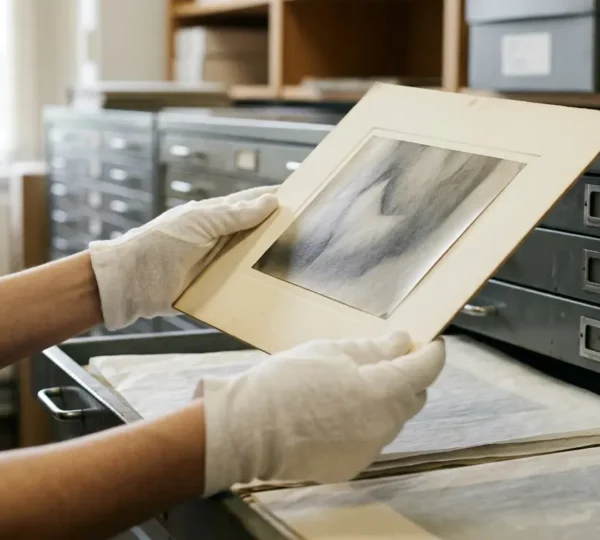
How to Ensure Your Photography Collection Becomes a Lasting Cultural Asset?
A collection’s cultural immortality is secured not by the quality of its images, but by the robustness of its legal and administrative framework. The historical value of a photograph is…
Lire la suite
What Truly Defines « Contemporary » Photography in Today’s Art Market?
Contrary to the simple timeline definition, the value of contemporary photography is no longer determined by when it was made, but by its conceptual and material uniqueness in a digitally…
Lire la suite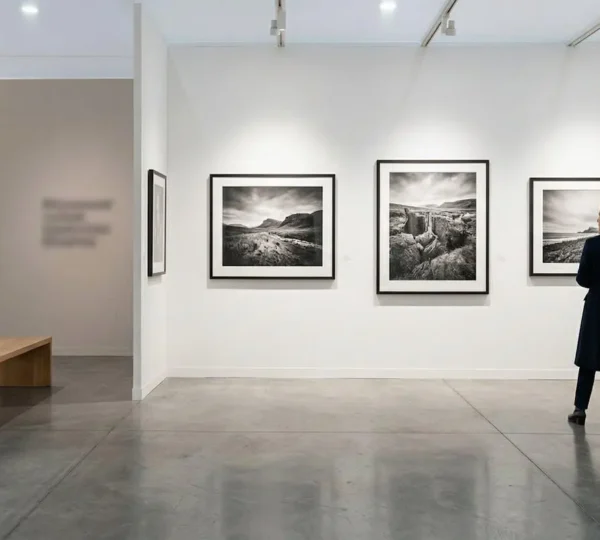
How to Navigate Art Fairs to Acquire Investment-Grade Photography
The key to smart acquisition at an art fair isn’t just spotting great art; it’s decoding the market signals the fair itself is sending. A gallery’s booth location is a…
Lire la suite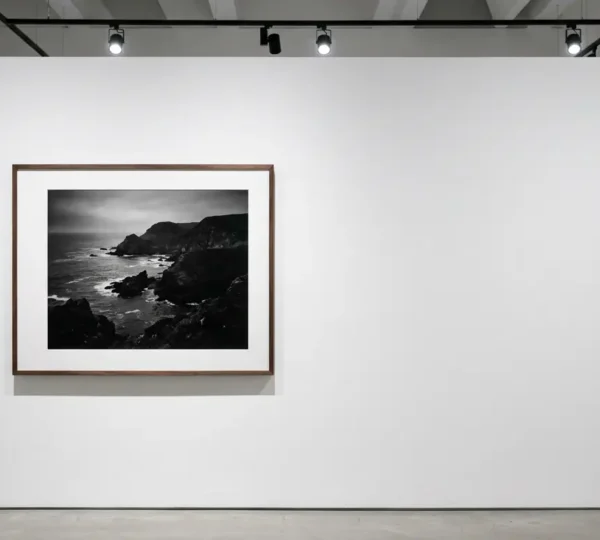
Why Pigment Prints Are the Gold Standard for Collectible Photography?
Pigment prints are not just photographs; they are stable, tangible assets whose investment value is rooted directly in their material science. They use encapsulated, solid pigments for unparalleled chemical inertness…
Lire la suite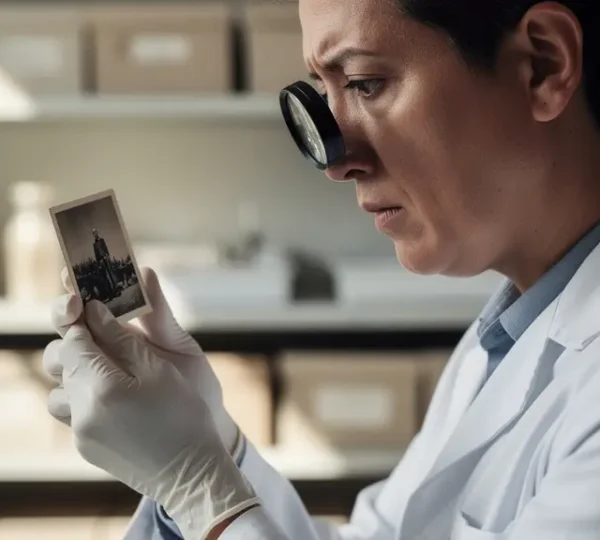
What Are the Strict Archival Standards Required for Museum Acquisitions?
Acceptance into a permanent collection is not an artistic judgment but a technical validation of material stability. Non-archival materials, including acidic papers and unstable inks, actively destroy your work over…
Lire la suite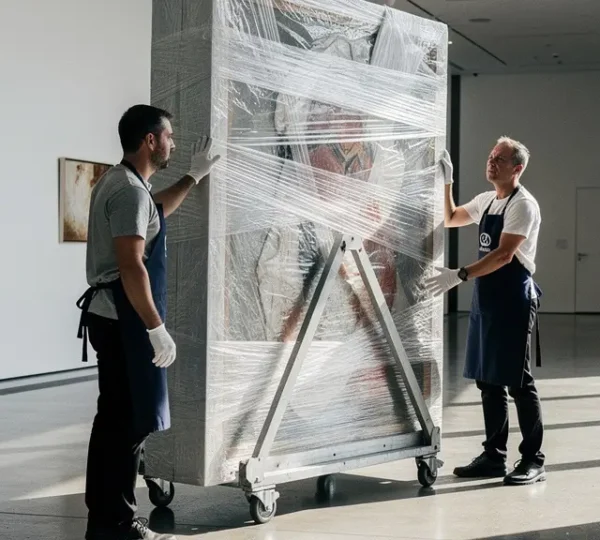
How to Transport and Install Large-Format Pieces Without Damage?
Successful transport of large-format art isn’t about thicker padding; it’s about mitigating the unseen forces of material physics and chemistry. Image softness on large prints is often due to a…
Lire la suite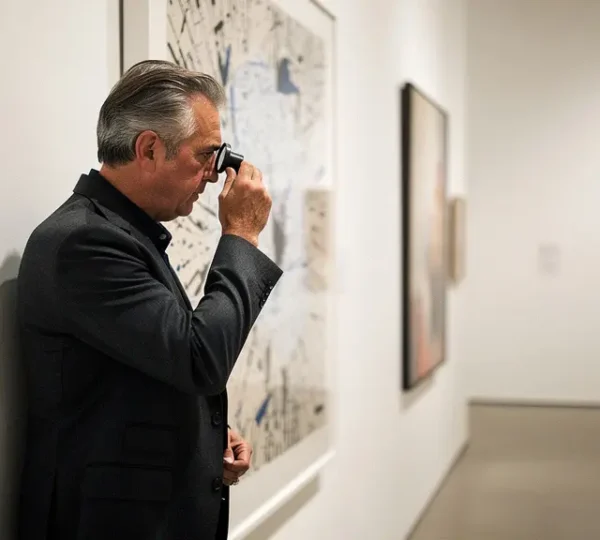
How to Assess Market Value for Fine Art Prints Without an Appraiser?
Determining the fair market value of a fine art print is not guesswork; it is a methodical assessment of specific, quantifiable market signals. The value of a print is dictated…
Lire la suite
What Defines an Investment-Grade Creation in the Current Art Market?
The value of investment-grade photography is driven less by the image and more by its verifiable data trail. It involves rigorous due diligence on authenticity and a data-driven analysis of…
Lire la suite